
The Impact of Economic Sanctions and Export Control on Global Trade
Economic sanctions and export control measures have become pivotal tools in the arena of international relations and global commerce. Governments worldwide impose these restrictions to achieve political, military, or humanitarian objectives. The application of these measures can significantly affect businesses and economies, demonstrating the importance of understanding their implications. In this context, it is essential to consult with economic sanctions and export control lawyers who can help navigate the complex landscape of restrictions imposed on countries and entities.
Understanding Economic Sanctions
Economic sanctions are coercive measures imposed by one or more countries against a target country, group, or individual to influence behavior. These sanctions can take various forms, including trade restrictions, asset freezes, or financial prohibitions. They are often implemented in response to actions deemed unacceptable by the international community, such as military aggression, human rights violations, or the proliferation of weapons of mass destruction. Although sanctions can be effective in achieving short-term goals, their long-term impact on the targeted economy and the innocent civilian population can be quite severe.
Types of Economic Sanctions
There are primarily two types of economic sanctions: comprehensive and targeted. Comprehensive sanctions aim to restrict trade and other economic activities entirely with a particular country. This form of sanction is often more impactful but also more controversial, as it affects the general populace and can lead to significant humanitarian crises.
Targeted sanctions, on the other hand, focus on specific individuals, groups, or entities within a country. They can include asset seizures or travel bans, enabling the enforcing country to apply pressure without inflicting widespread suffering on the civilian populace. This nuanced approach is often seen as a more ethical method of applying pressure while still achieving political aims.
Export Controls: A Catalyst for Compliance
Export controls are regulations that governments impose to restrict certain goods, services, or technologies from being exported to specific countries, organizations, or individuals. These controls protect national security interests and foreign policy objectives. The regulations often include licensing requirements and a specified list of controlled items, which can range from dual-use technologies to sensitive military hardware.
In today’s increasingly interconnected world, the intertwining of economic sanctions and export controls creates substantial compliance challenges for businesses. Companies engaging in international trade must closely monitor changes in legislation to avoid inadvertent violations, which can result in hefty fines and reputational damage.
The Role of Legal Experts
With the complexity of sanctions and export controls, the role of specialized legal professionals becomes crucial. Economic sanctions and export control lawyers provide guidance to businesses on navigating the intricate regulatory landscape, ensuring compliance with applicable laws and regulations. They help companies assess risks associated with their international transactions and develop strategies to mitigate these risks.
Additionally, in the event of enforcement actions or investigations, these lawyers offer representation and advice, helping clients to understand their rights and obligations. This legal guidance can be indispensable when companies face compliance audits or inquiries from government bodies.
The Global Impact of Sanctions and Export Controls
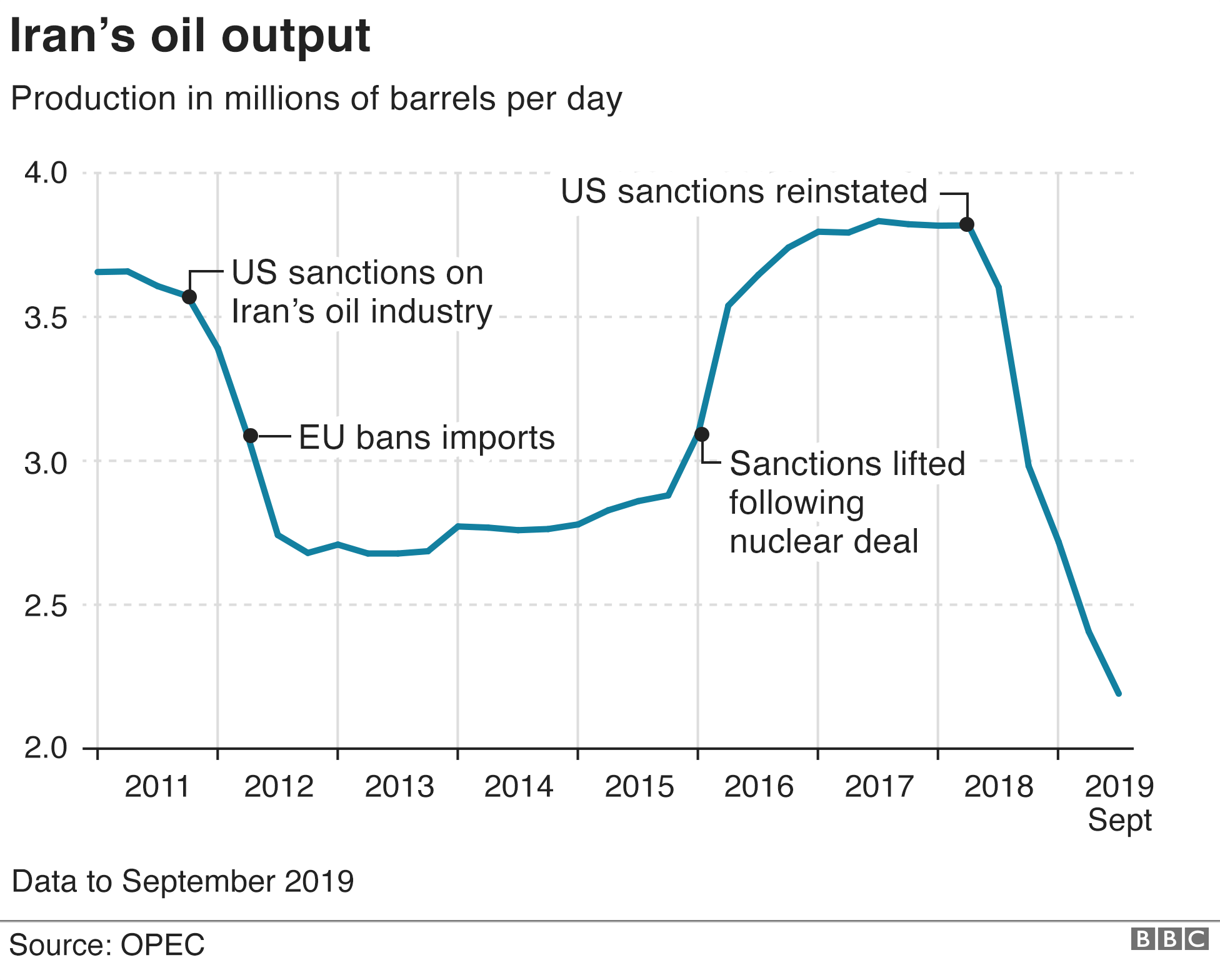
The implications of economic sanctions and export controls extend beyond the immediate economic impact. They can shift trade patterns, alter diplomatic relations, and even influence global markets. For instance, sanctions on major oil-producing countries can lead to fluctuations in oil prices worldwide, affecting economies far removed from the initial conflict. Moreover, countries that are heavily sanctioned often seek alternative trade relationships, leading to the emergence of new trade alliances that can reshape global economic dynamics.
Case Studies and Recent Trends
The recent sanctions on Russia following its invasion of Ukraine provide a prime example of the immediate effects and long-term implications of such measures. These sanctions, aimed at crippling the Russian economy, have resulted in widespread impacts on global energy markets and supply chains. Moreover, the global response has led to accelerating shifts towards alternative energy sources, highlighting how sanctions can prompt long-lasting changes within and beyond the targeted nation.
Another notable case is the ongoing trade tensions between the United States and China, marked by tariffs and export controls centered on technology transfer and intellectual property. The repercussions of these measures are felt across various industries worldwide, demonstrating how economic sanctions and export controls can reverberate through global supply chains.
The Future of Economic Sanctions and Export Control
As global tensions continue to rise, the reliance on economic sanctions and export controls is likely to persist. However, the evolving dynamics of international relations may lead to a reevaluation of these tools. Countries may seek to develop more sophisticated bilateral agreements that aim to reduce the need for sanctions while addressing underlying security concerns.
Additionally, with advancements in technology, there is potential for more precise and effective enforcement of sanctions. Emerging technologies, including blockchain and artificial intelligence, can support tracking and compliance monitoring, empowering businesses to adhere to regulations more effectively and with less risk.
Conclusion
Economic sanctions and export controls play a critical role in the global geopolitical landscape, offering a means for countries to assert their foreign policy objectives. While these measures can be effective tools for change, their complexities demand careful navigation by businesses and policymakers alike. Engaging economic sanctions and export control lawyers is essential for understanding these regulations and ensuring complian
ce in a rapidly changing world. As we move forward, the effectiveness and ethical implications of these measures will continue to be scrutinized, determining their role in shaping the international order of tomorrow.