
Understanding Demos: A Comprehensive Guide
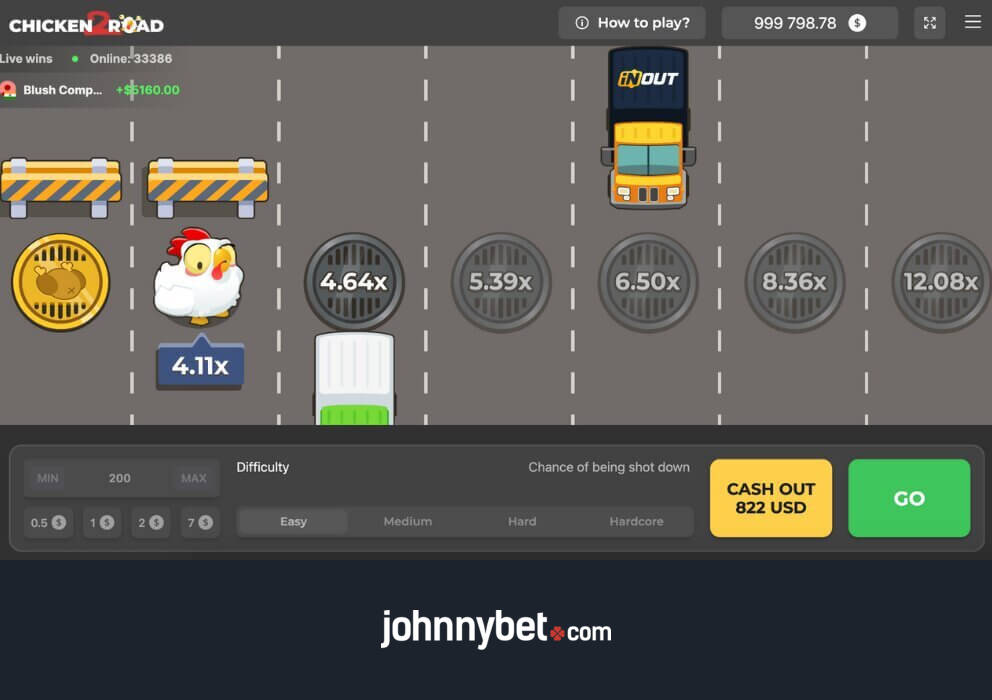
In today’s fast-paced world, demos play a crucial role across various sectors. Whether it’s a software company showcasing a new application, a sales team presenting a product, or a musician revealing new tracks, demos serve as a vital tool for communication and persuasion. In this article, we will delve deep into what demos are, their types, their significance, and some best practices to ensure effectiveness. We will also explore questions that often arise, such as demo is Chicken Road legit, and how demos can help answer them.
What is a Demo?
A demo, short for demonstration, is a presentation or a sample of a product or service that allows potential customers or interested parties to see how it works or what it offers. Demos can vary significantly in style and format, ranging from live presentations to pre-recorded videos, and can be used in a myriad of settings. The primary goal of a demo is to provide a glimpse into the user experience, highlight key features, and demonstrate the value proposition of a product or service effectively.
Types of Demos
Demos can be categorized into various types based on their context and purpose. Here are some common types:
- Software Demos: Typically used in tech companies, these demos show users how to navigate software and its features. They can be live presentations, interactive sessions, or recorded videos.
- Product Demos: Used in retail and sales environments, product demos allow customers to see, touch, and interact with the product before buying.
- Performance Demos: Artists, musicians, and performers often use demos to showcase their skills, either through auditions, performances, or recordings to promote their work.
- Service Demos: These are common in the service industry, where companies showcase their services through presentations or initial free consultations.
The Importance of Demos
The significance of demos cannot be overstated. Here are several reasons why they are essential in various fields:
- Building Trust: A well-executed demo can instill confidence in potential customers. It provides them with insight into the product’s quality and performance, establishing transparency.
- Engagement: Demos engage audiences, making them feel involved and invested in the product or service being presented.
- Clarification: Demos can help clarify complex concepts or functionalities, making it easier for customers or stakeholders to grasp the product’s value.
- Feedback Opportunities: Demos also serve as an avenue for immediate feedback, allowing presenters to adjust their approach based on audience reactions and questions.
Best Practices for Effective Demos
To ensure your demo resonates with the audience and accomplishes its goals, consider the following best practices:
1. Know Your Audience
Tailoring your demo to the specific needs and interests of your audience is crucial. Understand their pain points, interests, and what they hope to gain from the demo.
2. Be Prepared
A well-prepared demo not only looks professional but also enhances confidence. Ensure that all equipment is functioning properly and that you have rehearsed your presentation several times.

3. Keep It Concise
Most audiences appreciate brevity. Aim to keep your demo within a reasonable time frame while covering all essential points without overwhelming them with information.
4. Highlight Key Features
Focus on the most relevant and impactful features of your product or service. Showcasing these aspects will help your audience understand the main benefits more clearly.
5. Encourage Interaction
Allowing your audience to engage with the demo can make it more memorable. Encouraging questions, discussions, or even live interaction can enhance their experience.
Common Questions About Demos
As with any process, questions may arise regarding best practices, effectiveness, and logistics. Below are some common inquiries:
How long should a demo last?
While there’s no one-size-fits-all answer, aim for a duration of 20-30 minutes, allowing sufficient time for a demonstration and subsequent questions.
What tools can I use for creating software demos?
There are numerous tools available for creating software demos, including screen recording software (like Camtasia or Loom), presentation tools (like PowerPoint or Prezi), and interactive platforms (like Demoflow).
How can I measure the success of my demo?
Success can be measured through follow-up surveys, the number of inquiries received after the demo, or the conversion rate of attendees to customers.
Conclusion
Demos are a fundamental aspect of showcasing products and services effectively. By understanding the various types, recognizing their importance, and following best practices, you can maximize the impact of your presentation. Whether you’re introducing a software solution, demonstrating a physical product, or sharing your artistic talents, a well-executed demo can make a world of difference in achieving your goals.