
Understanding the psychological triggers that drive gambling behavior
The Thrill of Uncertainty
One of the most significant psychological triggers behind gambling behavior is the thrill associated with uncertainty. Gamblers often find themselves drawn to the excitement of not knowing the outcome of their bets. This unpredictability can lead to a rush of adrenaline, causing the brain to release dopamine, the chemical responsible for feelings of pleasure and reward. The anticipation of a possible win can create a powerful motivational force that keeps players returning to casinos or online gaming platforms like Class 777 Casino.
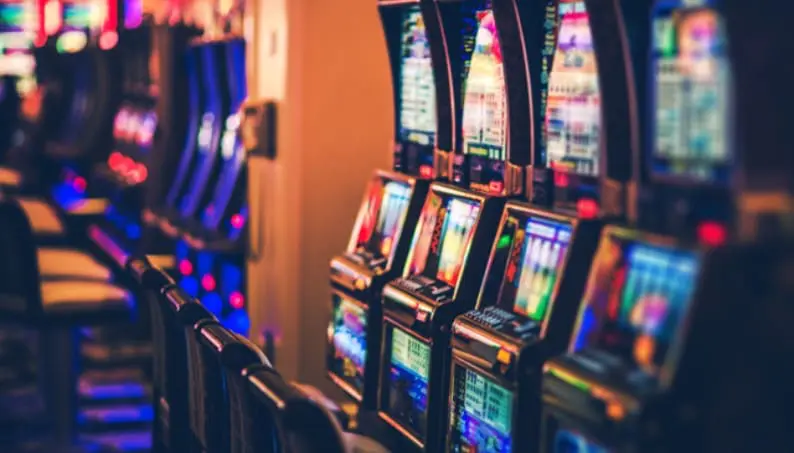
This sensation of uncertainty can be both enticing and addictive. When individuals win, the excitement can reinforce the behavior, leading them to gamble more frequently in hopes of recapturing that high. On the flip side, losses can also fuel the desire to continue playing in an attempt to chase losses, creating a cycle that can be difficult to break.
The Role of Cognitive Biases
Cognitive biases significantly influence gambling behavior, often leading individuals to make irrational decisions. For example, the “illusion of control” is a common bias where gamblers believe they can influence the outcome of games of chance. This can manifest in various forms, such as choosing specific numbers or believing that certain rituals can improve their odds of winning. These beliefs can intensify the gambling experience, reinforcing the idea that luck is within their control.
Another common bias is the “gambler’s fallacy,” where individuals believe that previous outcomes affect future results. For instance, a player might think that after a series of losses, a win is due, thus justifying further gambling. Such cognitive distortions can lead to increased betting and, ultimately, problematic gambling behavior.
The Social Influence on Gambling
The social environment plays a crucial role in shaping gambling behavior. Many individuals are introduced to gambling through friends or family, and peer influence can heavily impact their engagement in gambling activities. The presence of others often enhances the thrill, making the experience more enjoyable and reinforcing the behavior.
Additionally, social dynamics can affect the perceived legitimacy of gambling. In environments where gambling is normalized or celebrated, individuals may feel more compelled to participate. The pressure to conform to social expectations can lead to increased gambling frequency, often without full awareness of the potential consequences.
Emotional Triggers and Escapism
Many gamblers use gambling as a form of escapism, turning to games of chance during times of stress or emotional turmoil. Gambling can provide a temporary distraction from daily challenges, allowing individuals to immerse themselves in a world where their worries feel distant. This can be particularly appealing during periods of anxiety or depression, where the thrill of winning offers a fleeting sense of relief.
However, using gambling as a coping mechanism can lead to negative consequences. When individuals rely on gambling to manage their emotions, it can create a cycle of dependence, where the temporary highs are followed by feelings of guilt or shame after losses. This emotional rollercoaster can escalate, pushing individuals further into gambling behavior as they seek that elusive escape.
Class 777 Casino: A Case Study in Online Gaming
Class 777 Casino exemplifies how understanding psychological triggers can enhance the gaming experience. By providing a diverse selection of games, including slots and live dealer options, it caters to various preferences, enticing players through the thrill of chance. The platform is designed with user experience in mind, ensuring quick deposits and cash-outs that minimize barriers to play, ultimately drawing in both new and seasoned gamblers.
Moreover, Class 777 Casino capitalizes on psychological triggers by offering enticing bonuses and promotions. These incentives not only attract players but also encourage them to engage more frequently. By recognizing the psychological elements at play, the casino fosters a captivating atmosphere that appeals to the innate human desire for risk and reward, making it a popular destination for gaming enthusiasts.