
Getting Started with Forex Trading: A Beginner’s Guide
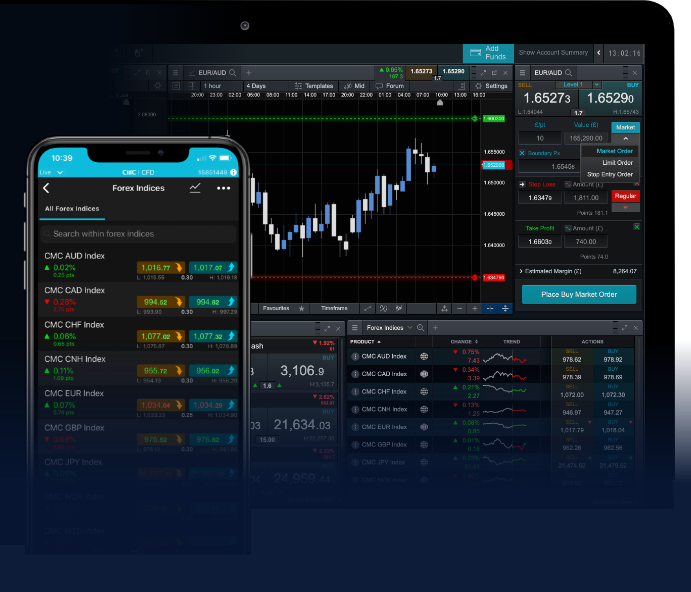
Forex trading, or foreign exchange trading, has become one of the most popular ways for individuals to invest and potentially generate profits. With a daily trading volume exceeding $6 trillion, the Forex market is the largest financial market in the world. However, for beginners, it can seem overwhelming with its complex terminology and intricate trading strategies. This guide aims to demystify Forex trading and provide you with the essential knowledge needed to get started. For those looking for quality resources, you might find the forex trading for beginners Best Indonesian Brokers useful.
Understanding Forex Trading
At its core, Forex trading involves exchanging one currency for another with the aim of making a profit. Unlike the stock market, where you buy and sell shares of a company, the Forex market allows you to trade currency pairs. A specific currency pair consists of a base currency (the first currency) and a quote currency (the second currency). For example, in the currency pair EUR/USD, the Euro is the base currency, and the US dollar is the quote currency.
How Currency Pairs Work
Currency pairs are listed with a price, which indicates how much of the quote currency is needed to purchase one unit of the base currency. If you believe that the base currency will strengthen against the quote currency, you may choose to buy the pair. Conversely, if you believe the base currency will weaken, you may sell the pair. This basic concept of buying and selling is foundational to understanding Forex trading.
Key Terms You Should Know
Before diving deeper into Forex trading, it’s essential to familiarize yourself with some common terminology:
- Pips: A pip is a unit of measurement that expresses the change in value between two currencies. It’s typically the fourth decimal place in a currency pair’s price.
- Leverage: Leverage allows traders to control a larger position than the amount of capital they have in their account. This can amplify both profits and losses.
- Spread: The spread is the difference between the buy price and the sell price of a currency pair. It’s often considered a transaction cost.
- Margin: Margin is the amount of money required to open a position with leverage. It’s a good faith deposit that your broker will require to cover potential losses.
Choosing a Forex Broker
One of the first and most crucial steps for any beginner is selecting a Forex broker. A broker acts as an intermediary between you and the Forex market, facilitating your trades. When choosing a broker, consider the following criteria:
- Regulation: Ensure that the broker is regulated by a reputable financial authority to protect your investment.
- Trading Platform: Evaluate the trading platform’s user-friendliness, speed, and functionality.
- Customer Support: Good customer service is vital, especially for beginners who might have questions or need assistance.
- Trading Fees: Compare spreads and commission fees among brokers to find the most cost-effective option.
Developing a Trading Strategy
Once you have selected a broker and set up your trading account, the next step is developing a trading strategy. A trading strategy is a plan that outlines how you will analyze the market, make decisions, and manage risk. Here are a few popular strategies used by Forex traders:
1. Day Trading
Day trading involves opening and closing positions within the same day, looking to capitalize on short-term movements in currency prices. Day traders often rely on technical analysis and chart patterns to inform their trading decisions.

2. Swing Trading
Swing trading focuses on taking advantage of price swings over several days or weeks. Swing traders typically use a combination of technical and fundamental analysis to predict market movements.
3. Position Trading
Position trading is a long-term strategy where traders hold onto positions for weeks, months, or even years. This approach requires a robust understanding of market fundamentals and typically involves less frequent trading.
Risk Management
Risk management is a crucial aspect of Forex trading, particularly for beginners. Protecting your capital should be a priority, and employing risk management techniques can help safeguard your investments. Here are a few strategies:
- Use Stop-Loss Orders: A stop-loss order automatically closes a position once it reaches a specific level to minimize potential losses.
- Only Risk a Small Percentage: Many traders suggest risking only 1-2% of your trading capital on a single trade.
- Diversification: Spread your investments across different currency pairs to reduce risk exposure.
Practice with a Demo Account
Before committing real money to Forex trading, it’s wise to practice with a demo account. Most brokers offer demo accounts that simulate real market conditions without financial risk. This allows beginners to familiarize themselves with the trading platform, test strategies, and understand market dynamics without the pressure of losing money.
Final Thoughts
Forex trading can be an exciting and potentially lucrative endeavor. However, it requires a solid understanding of the market, a well-thought-out strategy, and disciplined risk management. By educating yourself on the fundamentals and practicing with a demo account, you can confidently take your first steps into the Forex market. Remember, the journey of a thousand trades begins with a single trade—best of luck on your trading journey!